1. AI-Powered Smart Eyewear: The Tipping Point
2026 marks the year smart eyewear crosses from niche gadget to mainstream accessory. Global shipments will surpass 23 million units, with the Chinese market exceeding 4.9 million units—over 100% year-over-year growth.
Three forces drive this explosion:
Lightweight Engineering
Modern AR-enabled frames now weigh under 45 grams per lens, thanks to liquid metal hinges and titanium alloy frames. Consumers no longer choose between functionality and wearability.
AI Agent Integration
Simple voice assistants are gone. Today's smart eyewear features on-device AI agents with multi-modal perception and proactive service—wearable computing platforms that anticipate user needs.
Tiered Market Segmentation
-
Audio glasses for everyday consumers
-
Lightweight AR glasses for productivity
-
Full-featured AI glasses for tech enthusiasts
Smart eyewear is no longer experimental—it's a core category demanding strategic investment.
2. Wellness-First Optics: From Correction to Prevention
The health wave has reshaped consumer expectations. Buyers now ask: "Can these protect my long-term eye health?"
Blue Light Protection Evolved
Basic filtering is table stakes. The new frontier: spectrally optimized lenses that target harmful high-energy blue light (415-455nm) while preserving beneficial light for circadian health. Premium 1.61 index acrylic lenses with UV420 protection set the gold standard.
Myopia Control Innovation
With 50% of the global population projected to be myopic by 2030, DIMS technology, peripheral defocus lenses, and combined optical solutions are moving from niche clinics to mainstream practice.
Light-Adaptive Lenses
Modern photochromic lenses transition in seconds—clear indoors, dark outdoors—with 100% UV protection. "One pair does it all" versatility resonates strongly with today's consumers.
3. Sustainable Luxury: Eco-Conscious Craftsmanship Goes Mainstream
Sustainability is no longer a buzzword—it's an expectation. Over 70% of consumers prefer brands committed to sustainable practices.
Innovative Sustainable Materials
-
Biodegradable acetate from renewable wood pulp
-
Ocean plastic frames from recovered marine debris
-
Plant-based polymers reducing carbon footprint by 60%
-
Recycled titanium with circular supply chains
Circular Economy Models
Take-back programs, refurbishment services, and recycling initiatives close the product lifecycle loop. Zero-waste eyewear without compromising quality is the goal.
Transparent Supply Chains
Consumers want to know where glasses come from and who made them. Full transparency builds lasting trust and loyalty.
4. The Dual Aesthetic: Bold Minimalism Meets Maximal Expression
2026's fashion landscape is defined by a fascinating duality—two opposing trends coexisting and thriving.
The Minimalist Precision Movement
-
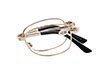
Rimless titanium frames under 8 grams
-
Screwless constructions and hidden hinges
-
Matte and satin finishes
-
Polished rose gold and brushed steel
Glasses that don't scream—they get noticed.
The Bold Architectural Statement
-
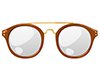
Oversized sculptural frames with geometric shapes
-
Thick acetate in vibrant colors and tortoiseshell patterns
-
Hexagonal, octagonal, and sharp cat-eye silhouettes
-
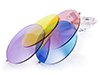
Translucent acetates that play with light
Eyewear as self-expression—the centerpiece of an outfit, not an afterthought. The 90s and Y2K revivals continue, but with modern materials and refined proportions.
The Common Thread: Quality
Whether minimalist or maximal, consumers demand exceptional craftsmanship, comfortable fit, and premium materials. Generic "safe" frames are out—intentional design is in.
5. Phygital Retail: The New Omnichannel Reality
How consumers discover, try on, and purchase eyewear has been permanently transformed.
Virtual Try-On Becomes Ubiquitous
3D AR solutions accurately map facial structures in real time, letting customers visualize frames from their phones. "Style anxiety" is reduced, and online conversions are up.
AI-Powered Personalization
Machine learning recommends frames based on face shape, skin tone, lifestyle, and style preferences. AI stylists curate personalized selections that surprise and delight.
Seamless Omnichannel Journeys
Consumers browse online, try on in-store, customize on apps, and pick up locally. Brands delivering frictionless experiences across touchpoints win loyalty.
Conclusion: The Future Is Clear
The 2026 eyewear industry is unrecognizable from a decade ago. Success requires embracing five pillars:
-
Intelligence — Smart features integrated thoughtfully
-
Wellness — Eye health as a core value proposition
-
Sustainability — Walking the talk on environmental responsibility
-
Design Excellence — Frames with intention and personality
-
Digital Fluency — Meeting customers where they are
The best eyewear of 2026 is technologically advanced and beautifully designed, sustainably made and luxuriously crafted, health-focused and fashion-forward.
Eyewear will continue evolving beyond vision correction to become integral to how we see, experience, and engage with the world. Brands that embrace this evolution—not just react to it—will define the next era.