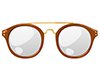
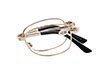
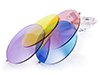
Ophthalmic frames may be divided into two larger categories of materials: plastic and metal. As indicated in the illustration below, the basic frame styles used include the full frame, combination frame, half eye, and semi-rimless, full rimless. The lenses of a semi-rimless frame may be mounted in several different ways. These include the screw mounting, where a screw is placed through a drilled hole in the lens and then attached to the frame.

Ophthalmic Frame Styles
Selecting the ideal pair of eyeglasses is a deeply personal and transformative experience. Your choice of eyewear not only corrects your vision but also serves as a defining accessory that complements your facial features and expresses your unique personality. With the vast array of ophthalmic frame styles available today, navigating the world of eyewear can seem daunting. This comprehensive guide aims to demystify the process, offering expert insights into the various frame types, shapes, and materials that comprise the landscape of modern eyewear.
Whether you’re a first-time glasses wearer or a seasoned spectacle enthusiast looking to refresh your look, understanding the nuances of frame design is crucial. From classic full-rim frames to sleek rimless options, and from bold geometric shapes to timeless ovals, each style carries its own aesthetic appeal and functional benefits. By exploring the interplay between frame characteristics and facial structures, we’ll equip you with the knowledge to make an informed decision that aligns with both your visual needs and style preferences.
In the following sections, we’ll delve into the intricacies of frame construction, examine how different shapes can enhance your features, and discuss the latest trends in eyewear fashion. We’ll also address practical considerations such as durability, comfort, and suitability for various lifestyles. By the end of this guide, you’ll be well-versed in the art of selecting ophthalmic frames that not only look great but also feel like a natural extension of yourself.
Frame Types: The Foundation of Eyewear DesignWhen it comes to ophthalmic frames, the type of frame you choose sets the foundation for your entire eyewear experience. Frame types not only influence the aesthetic appeal of your glasses but also play a crucial role in comfort, durability, and overall functionality. Let’s explore the main categories of frame types and their unique characteristics:
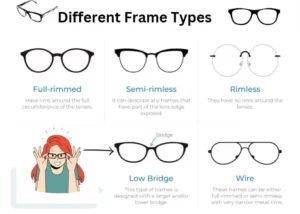
Full-rim frames, also known as full-frame glasses, are characterized by a complete frame that encircles the entire lens. This traditional design offers several advantages:
However, full-rim frames can be heavier than other types and may not be suitable for those seeking a minimalist appearance. They’re perfect for individuals who want their eyewear to make a strong visual impact or need robust glasses for daily wear.
Semi-rimless frames offer a compromise between the boldness of full-rim frames and the subtlety of rimless options. These frames typically have a frame along the top of the lenses, with the bottom half left exposed. Benefits of semi-rimless frames include:
Semi-rimless frames are an excellent choice for those who want a balance between style and functionality. They’re particularly popular in professional settings where a polished yet not overly bold appearance can be desired.
For those seeking the most discreet eyewear option, rimless frames offer unparalleled subtlety. These frames consist of lenses attached directly to the bridge and temple arms, without any surrounding frame. The advantages of rimless frames are:
However, rimless frames require careful handling as the exposed lenses are more vulnerable to damage. They’re ideal for individuals who prefer a barely-there look or those with lighter prescriptions.
Wire frames, constructed from thin metal, offer a classic and sophisticated option. These frames have several distinct advantages:
Wire frames are an excellent choice for those who appreciate a timeless aesthetic or need glasses that can be easily adjusted. They’re particularly well-suited to oval, round, or heart-shaped faces.
Designed specifically for individuals with lower nose bridges, these frames offer a solution to the common problem of glasses sliding down the nose. Key features include:
Low bridge frames ensure comfort and proper alignment for those who have struggled with traditional frame designs. They’re essential for achieving optimal vision correction and preventing the discomfort associated with ill-fitting glasses.
By understanding these frame types, you can narrow down your options and focus on the styles that best suit your needs and preferences. Remember, the ideal frame type for you will depend on a combination of factors including your prescription strength, lifestyle requirements, and personal style. In the following sections, we’ll delve deeper into frame shapes, materials, and how to match frames to your unique facial features.
Frame Shapes: Enhancing Your Facial FeaturesThe shape of your eyeglass frames plays a crucial role in complementing your facial structure and expressing your personal style. Understanding how different frame shapes interact with various face shapes can help you make an informed decision that enhances your natural features. Let’s explore some of the most popular frame shapes and their characteristics:
Rectangular frames are characterized by their angular shape, with the width exceeding the height. These frames offer several advantages:
Rectangular frames are an excellent choice for those seeking a classic look that stands the test of time. They’re particularly flattering on individuals with round or oval face shapes, as the angular lines can provide a nice contrast to softer facial contours.
Oval frames feature a rounded shape that is slightly wider than it is tall. This shape offers several benefits:
Oval frames are an excellent choice for those with square or diamond-shaped faces, as they can help balance strong jawlines and cheekbones. They’re also a great option for individuals seeking a softer, more refined look.
Round frames have experienced a resurgence in popularity, offering a distinctive retro-inspired look. Key features include:
Round frames are ideal for those looking to make a fashion statement or soften strong facial features. They work especially well on square, rectangular, or heart-shaped faces, providing a pleasing contrast to angular features.
Square frames feature strong, angular lines and are roughly equal in width and height. These frames offer:
Square frames are perfect for those who want to add definition to their look or create a contrast with softer facial features. They’re especially complementary to round, oval, or heart-shaped faces.
Cat-eye frames are characterized by their upswept outer edges, reminiscent of feline eyes. Benefits include:
Cat-eye frames are an excellent choice for those looking to add a touch of vintage flair to their look. They’re particularly flattering on diamond, oval, or heart-shaped faces and can help balance out a strong jawline.
Originally designed for pilots, aviator frames feature a distinctive teardrop shape. Advantages include:
Aviator frames are ideal for those seeking a classic, cool look that transcends trends. They work well on most face shapes but are particularly flattering on square or heart-shaped faces.
Geometric frames feature unconventional shapes such as hexagons, octagons, or other polygonal designs. These frames offer:
Geometric frames are perfect for those who want to make a bold fashion statement or express their individuality through their eyewear. They can work on various face shapes but are particularly striking on oval or round faces.
When selecting a frame shape, consider not only your face shape but also your personal style and the image you want to project. Remember that while guidelines can be helpful, the most important factor is how confident and comfortable you feel in your chosen frames. In the next section, we’ll explore the various materials used in frame construction and how they can impact both the aesthetics and functionality of your eyewear.
Frame Materials: Balancing Style, Comfort, and DurabilityThe material of your eyeglass frames plays a crucial role in determining their durability, weight, and overall aesthetic appeal. Different materials offer unique properties that cater to various needs and preferences. Let’s explore the most common frame materials and their characteristics:
Acetate is a type of plastic that has become increasingly popular in eyewear due to its versatility and aesthetic appeal. Key features include:
Acetate frames are an excellent choice for those who want stylish, lightweight glasses with extensive color options. They’re particularly well-suited for bold, fashion-forward designs and are often used in designer eyewear collections.
Metal frames, including materials like stainless steel, titanium, and aluminum, offer a range of benefits:
Metal frames are perfect for individuals seeking a classic, refined look or those who need frequent adjustments for a comfortable fit. They’re often chosen for their sleek appearance and longevity.
Titanium frames have gained popularity due to their exceptional strength-to-weight ratio. Advantages include:
Titanium frames are an excellent investment for those seeking long-lasting, comfortable eyewear. They’re particularly beneficial for individuals with strong prescriptions who require lightweight frames to balance heavier lenses.
Wooden frames offer a distinctive, eco-friendly option for eyewear enthusiasts. Features include:
Wood frames are ideal for individuals looking to make a statement with eyewear or those who appreciate natural materials. They’re often chosen for their warm, organic appearance and eco-friendly credentials.
Many modern frames combine different materials to leverage the benefits of each. Common combinations include:
Combination frames allow for creative designs that maximize both style and functionality. They’re perfect for those who want the benefits of multiple materials in a single frame.
As sustainability becomes increasingly important in fashion, bio-based acetate frames have emerged as an eco-friendly alternative. Key features include:
Bio-based acetate frames are an excellent choice for environmentally conscious consumers who don’t want to compromise on style or quality. They offer a sustainable option without sacrificing the aesthetic benefits of traditional acetate.
When selecting frame materials, consider factors such as your lifestyle, comfort preferences, and any skin sensitivities you may have. The ideal material will depend on how you plan to use your glasses and the level of durability you require. In the next section, we’ll explore how to match frames to your face shape, ensuring that your chosen eyewear not only feels great but also enhances your natural features.
Matching Frames to Face Shapes: Enhancing Your Natural FeaturesSelecting frames that complement your face shape can significantly enhance your overall appearance and boost your confidence. While personal style should always be the primary consideration, understanding how different frame styles interact with various face shapes can help you make an informed decision. Let’s explore the main face shapes and the frame styles that tend to flatter each:
Characteristics of an oval face shape:
Recommended frame styles:
Oval face shapes are considered the most versatile, as they can carry off most frame styles. The key is to maintain the natural balance of the face while adding interesting elements through frame choice.
Characteristics of a round face shape:
Recommended frame styles:
For round faces, the goal is often to create the illusion of length and definition. Frames with strong angles can help counterbalance the softness of a round face shape.
In conclusion, understanding ophthalmic frame styles—ranging from full-rim to rimless and from classic metals to bio-based acetates—enables opticians to offer personalized frame recommendations tailored to each patient’s aesthetic and functional needs. This knowledge not only aids in patient satisfaction but also aligns with exam content that tests frame construction, material properties, and appropriate selection based on face shape. By mastering these essentials, exam-takers can ensure their skillset remains relevant, meeting both visual and lifestyle preferences effectively.